
books I have read, am currently reading, and those I wish to recommend

1. Goodbye to Berlin, by Christopher Isherwood
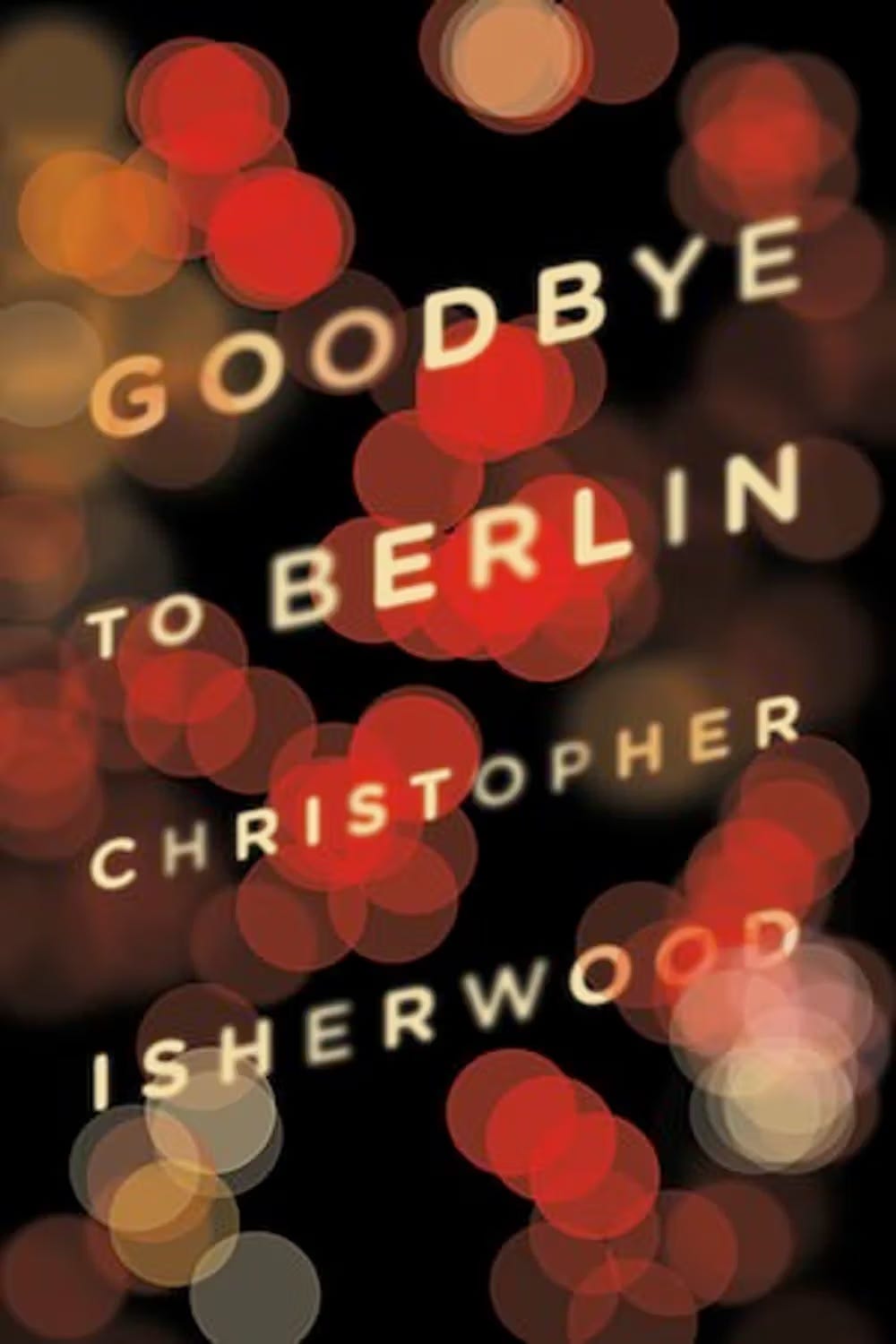
“Set in the 1930s, Goodbye to Berlin, evokes the glamour and sleaze, excess and repression of Berlin society.
Here, meine Herren und Damen, is Christopher Isherwood’s brilliant farewell to a city which was not only buildings, streets, and people, but was also a state of mind which will never come around again.
In linked short stories, he says goodbye to Sally Bowles, to Fraulein Schroeder, to pranksters, perverts, political manipulators; to the very, very guilty and to the dwindling band of innocents. It is goodbye to a Berlin wild, wicked, breathtaking, decadent beyond belief and already -- in the years between the wars -- welcoming death in through the door, though more with a wink than a whimper.”
2. Our Kind of People: Inside America’s Black Upper Class
by Lawrence Otis Graham
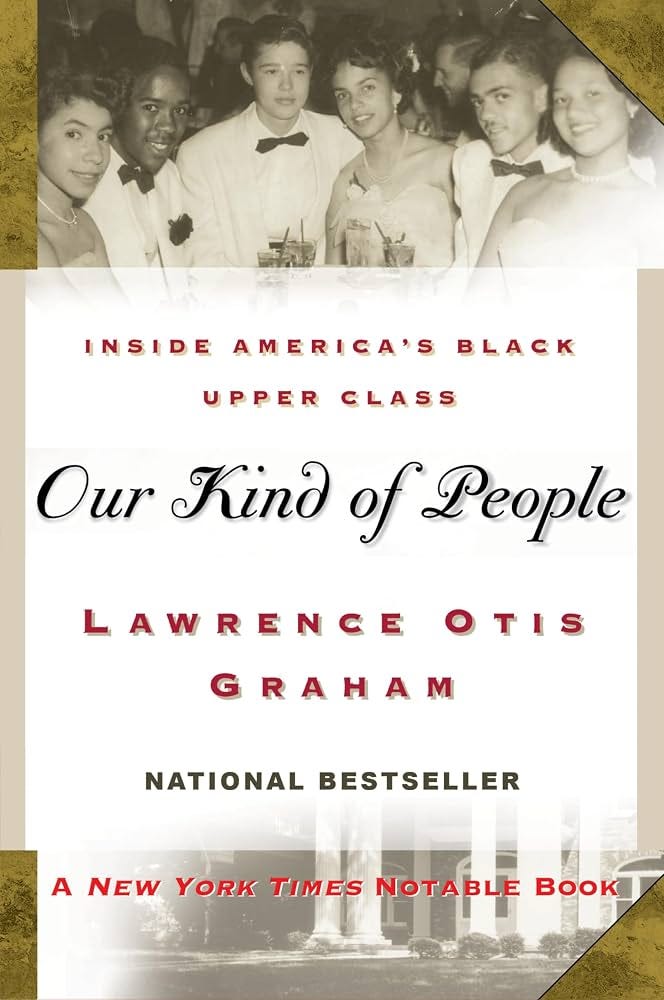
The New York Times – Our Kind of People is worth buying simply for its capsule descriptions of black social organizations, which are small gems of popular history. It overflows with portraits of extraordinary personalities, like Madam C. J. Walker, America’s first black woman millionaire, or the members of Washington’s historic Syphax family. And it is rich with anecdote (the curious utilitarian friendship between Henry Ford and the black Detroit minister William Peck is only one example). There is material here for a latter-day Thackeray or Trollope. The most delightful parts of the book, in fact, are Graham’s superbly evoked personal reminiscences, which sometimes rise to the level of high comedy -- for instance, his description of an interminable ride in the Williams Club elevator with ‘’the Waspiest black men in New York City,’‘ or the scene in which his snobbish Memphis aunt and uncle, their spines stiff with black pride, debate whether or not to let young Graham and his brother visit Graceland, home of that ‘’trash,’‘ Elvis Presley. In the end one feels that there is an important American novel concealed in Our Kind of People, and one hopes that one day Graham will shake himself free of social history and write it.”
3. The War Against the Past: Why the West Must Fight for its History, by Professor Frank Furedi

“A war is being waged against the Past. Whether it’s toppling statues, decolonising the curriculum or erasing terms from our vocabulary, a cultural crusade is underway designed to render the past toxic. It is condemned as enemy territory and has become the target of venomous hate. What is at stake in provoking such a strong sense of societal shame towards Western history?
In this book, Frank Furedi mounts a fierce defence of the past and calls for a fight back against the delegitimization of its ideals and accomplishments. Casting the past as a story of shame has become a taken-for granted outlook permeating the educational and cultural life of western society from the top down. Its advocates may see it as a cultural imperative, but society that loses touch with its past will face a permanent crisis of identity. Squandering the wisdom provided by our historical inheritance means betraying humanity’s positive achievements. Challenging this great betrayal, Furedi argues, is one of the most important battles of our time.”
4. The World’s First Love,
by Archbishop Blessed Fulton Sheen
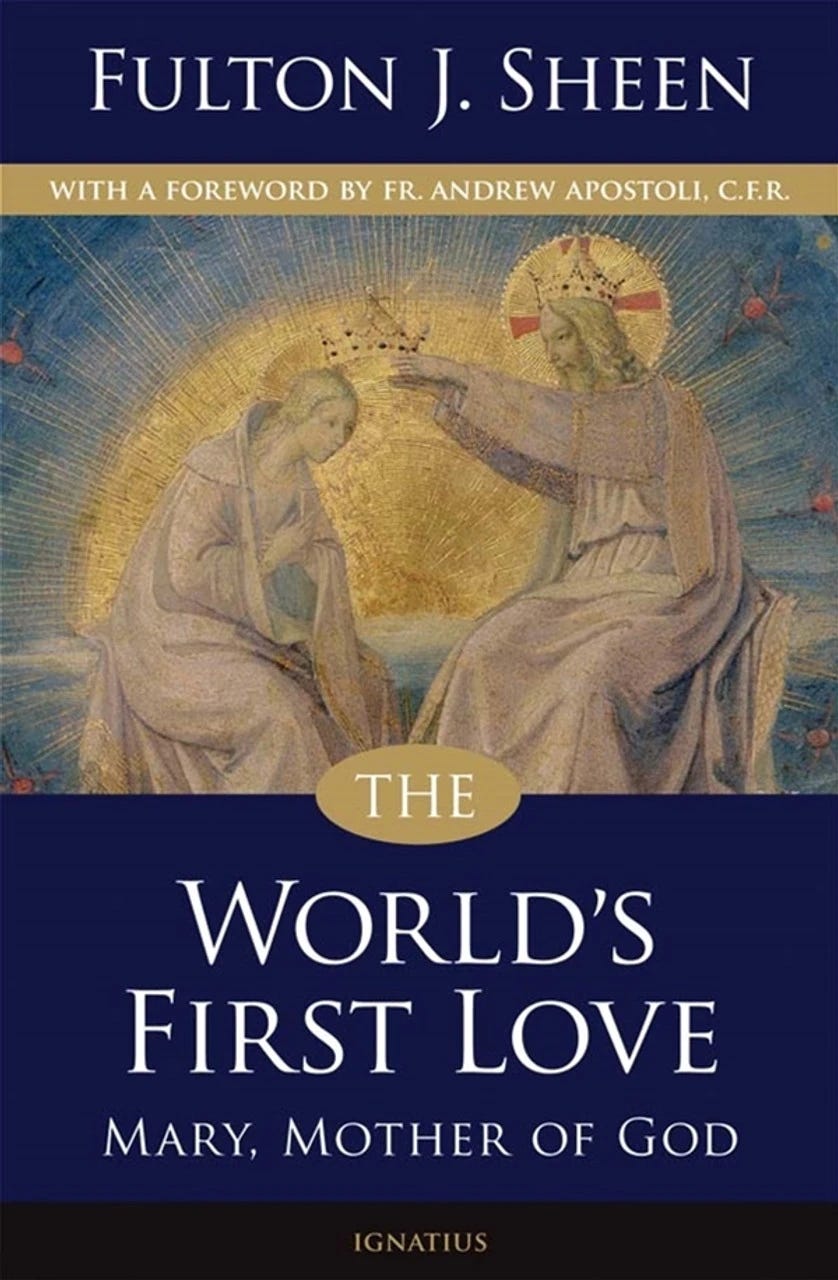
Ignatius Press – With his characteristic eloquence and brilliance, Fulton J. Sheen presents a moving portrayal of the Blessed Virgin Mary that combines deep spirituality with history, philosophy and theology. All the major aspects and events of Mary’s life are lovingly portrayed in this word portrait that is a never failing source of information, consolation and inspiration. Sheen also gives profound insights into all the Marian beliefs ranging from the Immaculate Conception to the Assumption to the miracle of Our Lady of Fatima.
While considering the different phases of Mary’s life, Bishop Sheen discusses various problems common to mankind of every age and reveals clearly that every problem can be resolved. He emphasizes the unique dignity, strength and gifts of women and their ability to help heal the world’s problems. Sheen stresses mankind’s need of the Mother of God and her burning love for all her children. The great resurgence of devotion to Mary is God’s way of emphasizing the worth and dignity of every person against the false doctrines that have so confused the modern world.
5. Wagnerism: Art and Politics in the Shadow of Music
by Alex Ross
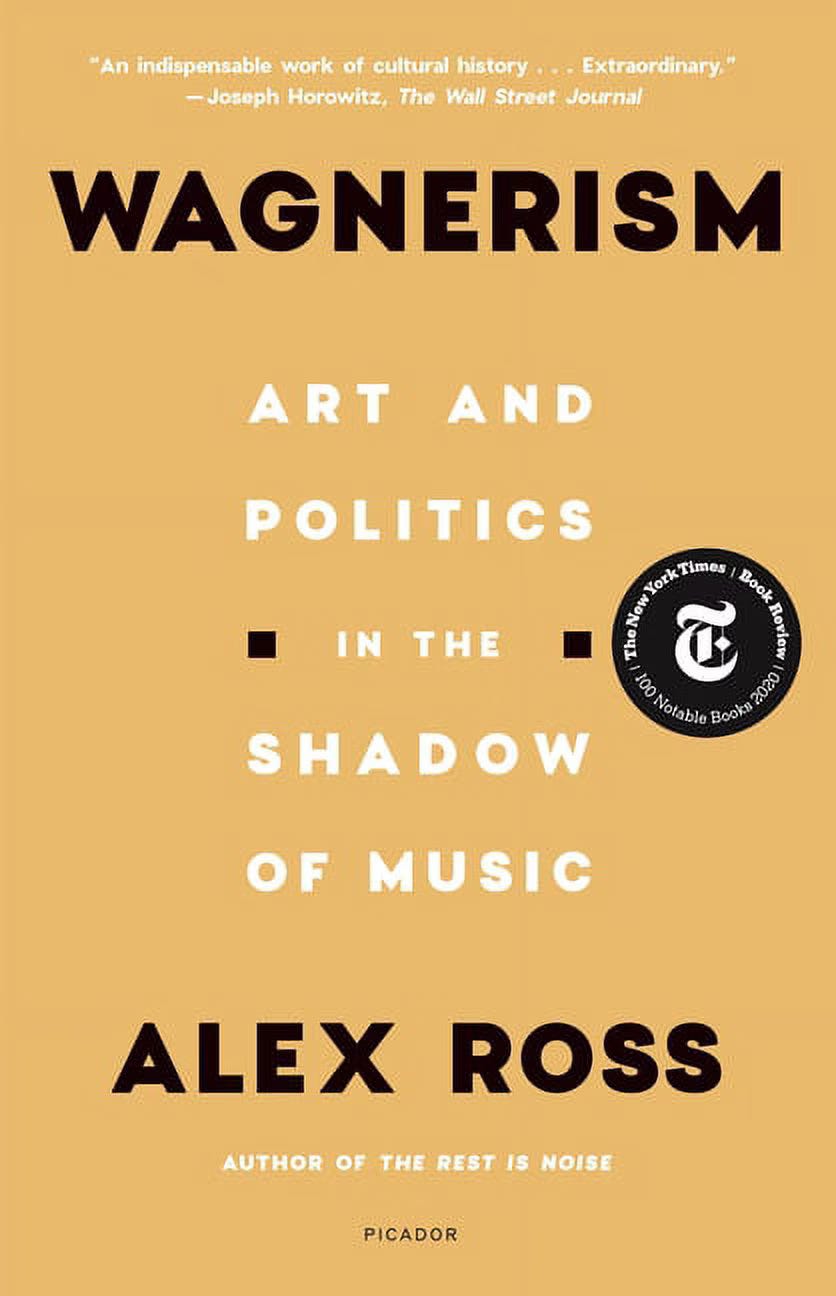
Amazon – Alex Ross, renowned New Yorker music critic and author of the international bestseller and Pulitzer Prize finalist The Rest Is Noise, reveals how Richard Wagner became the proving ground for modern art and politics―an aesthetic war zone where the Western world wrestled with its capacity for beauty and violence.
For better or worse, Wagner is the most widely influential figure in the history of music. Around 1900, the phenomenon known as Wagnerism saturated European and American culture. Such colossal creations as The Ring of the Nibelung, Tristan und Isolde, and Parsifal were models of formal daring, mythmaking, erotic freedom, and mystical speculation. A mighty procession of artists, including Virginia Woolf, Thomas Mann, Paul Cézanne, Isadora Duncan, and Luis Buñuel, felt his impact. Anarchists, occultists, feminists, and gay-rights pioneers saw him as a kindred spirit. Then Adolf Hitler incorporated Wagner into the soundtrack of Nazi Germany, and the composer came to be defined by his ferocious antisemitism. For many, his name is now almost synonymous with artistic evil.
In Wagnerism, Alex Ross restores the magnificent confusion of what it means to be a Wagnerian. A pandemonium of geniuses, madmen, charlatans, and prophets do battle over Wagner’s many-sided legacy. As readers of his brilliant articles for The New Yorker have come to expect, Ross ranges thrillingly across artistic disciplines, from the architecture of Louis Sullivan to the novels of Philip K. Dick, from the Zionist writings of Theodor Herzl to the civil-rights essays of W.E.B. Du Bois, from O Pioneers! to Apocalypse Now.
In many ways, Wagnerism tells a tragic tale. An artist who might have rivalled Shakespeare in universal reach is undone by an ideology of hate. Still, his shadow lingers over twenty-first century culture, his mythic motifs coursing through superhero films and fantasy fiction. Neither apologia nor condemnation, Wagnerism is a work of passionate discovery, urging us toward a more honest idea of how art acts in the world.